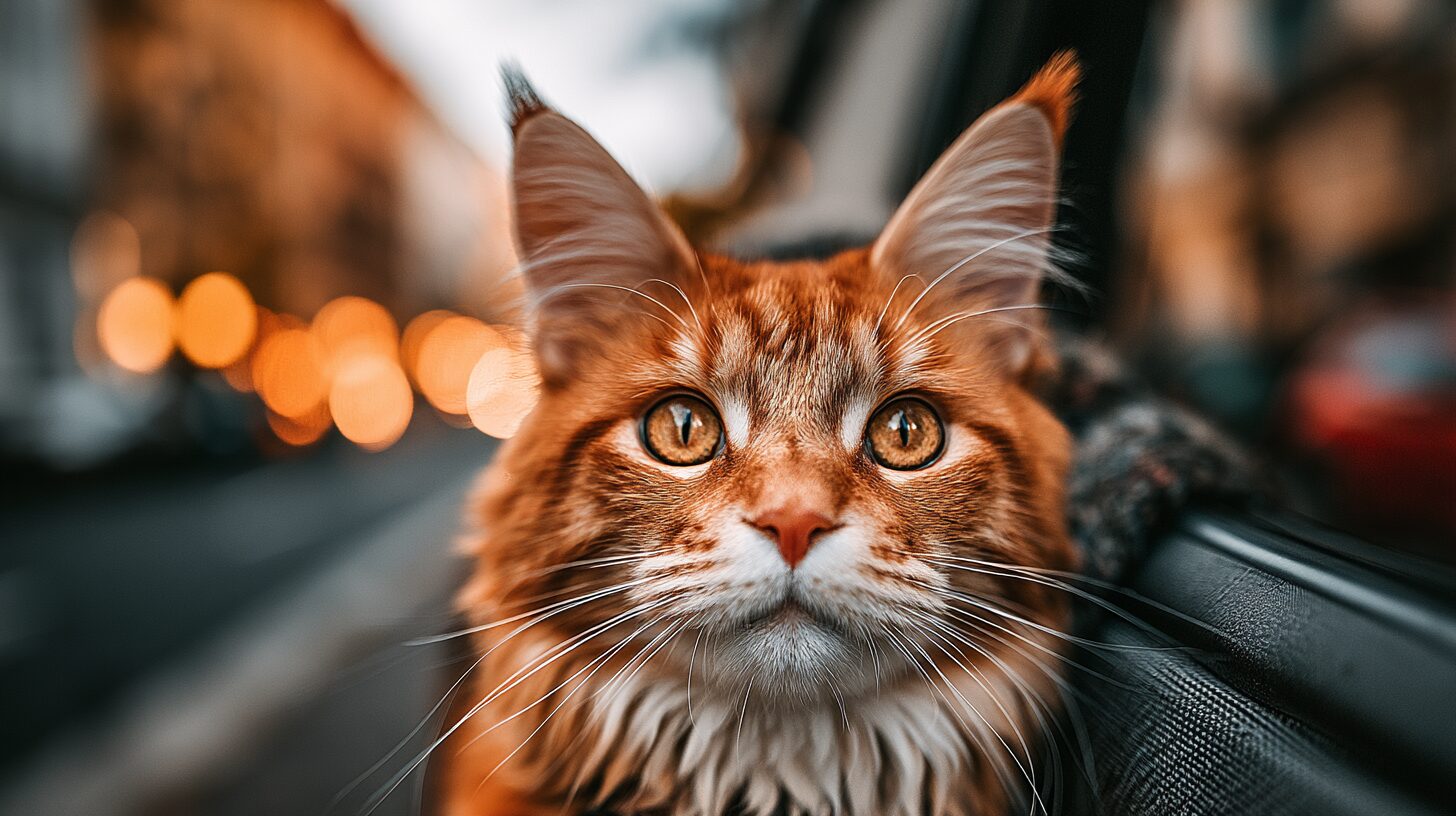
Cats are not bad travelers. Most cats have simply never been taught that the carrier and the car can be neutral places. The howling 90-pound American shorthair you remember from your grandmother’s backseat had usually only ever entered the carrier on the way to the vet — so the carrier itself meant “something bad is about to happen.” Fix that single association and most of the trouble disappears.
This guide walks through the 2-to-4 week carrier conditioning that should happen before any real trip, what motion sickness in cats actually looks like and which prescription is the modern fix, the safety rules that keep a loose cat from causing a wreck, and a practical hour-by-hour plan for a long-haul move with a cat.
Why Cats Hate Car Travel (and Why It’s Fixable)
The short answer: Most car-travel anxiety is conditioned association — the carrier appears, then the cat ends up at the vet. Add motion sickness, an unfamiliar moving floor, and conflicting smells, and the cat enters the trip already at threshold. Pre-trip conditioning addresses all three.
According to the American Association of Feline Practitioners, the single biggest predictor of a calm-traveling cat is whether the carrier is a familiar, positive place at home — not a once-a-year vet container that comes out of a closet smelling of stress.
The four overlapping reasons cats struggle with car travel:
- Carrier = vet. If the only time a cat ever enters the carrier is for medical visits, the carrier itself becomes a fear cue.
- Motion sickness. About 1 in 5 cats experience genuine motion sickness — drooling, vocalizing, sometimes vomiting or urinating in the carrier. Often misread as “anxiety.”
- Unfamiliar movement. Cats rely heavily on visual stability. The shifting floor, sway, and engine vibration all violate normal sensory expectations.
- Conflicting smells. Air freshener, gasoline, and the new-car interior overwhelm the cat’s primary navigation sense — smell.
Carrier Conditioning: The 2-to-4 Week Foundation
The short answer: Two to four weeks before any planned trip, leave the carrier out as furniture, feed meals in it, and reward the cat for entering voluntarily. The cat should treat the carrier as a den before they ever ride in a moving car.
This is the step almost every owner skips, and it is the step that does almost all the work. The protocol mirrors what we recommend in our low-stress handling guides — make the scary thing predictable and pair it with food.
Week 1: Carrier as Furniture
Bring out a hard-sided carrier with the door removed (or wedged open). Place it in a room the cat already likes — usually wherever they nap. Line it with a worn t-shirt that smells of you. Toss a few high-value treats inside daily. Do not coax. Let the cat discover it.
Week 2: Meals in the Carrier
Move the food bowl to just inside the carrier door. Each day, move it slightly further in. By the end of the week the cat should be eating with their whole body inside, calm. If they refuse, slow down — back the bowl up and stay there for several days.
Week 3: Door Closed, Briefly
While the cat eats inside, close the door for 10 seconds, then open it. Build to 1 minute, then 5. Pair with calm praise. Spritz Feliway Classic on the bedding 15 minutes before each session — F3 pheromone analog has the best evidence for carrier-induced stress.
Week 4: Short Car Rides
Carry the carrier to the parked car. Sit with it for 5 minutes. Next session, start the engine but don’t drive. Then drive around the block. Reward calm exits with high-value food. Build to a 10-minute drive that ends back at home — not at the vet.
Use a hard-sided top-loading carrier. Top-loaders make it possible to lower a tense cat in instead of pushing them through a front door, which is a top reason cats panic at carrier loading.
Motion Sickness: Cerenia, Gabapentin, and What Not to Use
The short answer: Real motion sickness in cats is treated with vet-prescribed maropitant (Cerenia) — given 2 hours before travel, not the morning of. Gabapentin handles the anxiety overlay. Do not use Benadryl, Dramamine, or human anti-nausea meds without veterinary direction.
If your cat drools, vocalizes intensely, or vomits within the first 10 minutes of a drive, that is motion sickness, not pure anxiety. The drug profile has shifted in the past decade. According to the Merck Veterinary Manual, maropitant citrate (brand name Cerenia) is now the standard of care for motion-induced vomiting in cats.
- Maropitant (Cerenia). 8 mg tablet, 1 mg/kg, given at least 2 hours before travel for full effect (2-hour onset, 24-hour duration). Vet-prescribed. About $4 to $7 per tablet.
- Gabapentin. 50 to 100 mg per cat, 2 to 3 hours pre-travel for the anxiety component. Vet-prescribed. Compounds well into a flavored liquid.
- Trazodone. 50 mg per cat, 90 minutes pre-travel for short trips. Less commonly used in cats than dogs but vets do prescribe it.
Do not use: diphenhydramine (Benadryl) without specific vet guidance — dosing in cats is narrow and the sedation is unreliable; Dramamine (dimenhydrinate) — the cat dose is small and bitter; “calming treats” with valerian or melatonin — evidence base is thin and they may interact with prescribed meds.
Safety Rules That Keep Everyone Alive
The short answer: A loose cat in a moving car is a documented crash cause and is illegal as careless driving in many states. Always travel with the cat in a secured hard-sided carrier on the back seat or floor — never in the driver’s lap, never in the trunk, never in the front seat with an active airbag.
Crash data from groups like the ASPCA and the Center for Pet Safety show that even a low-speed collision turns an unrestrained 10-pound cat into a projectile. Worse, a frightened loose cat can wedge under the brake pedal — a real, documented crash cause.
Practical safety setup:
- Hard-sided carrier on the back seat floor. Most stable spot. Wedge with a rolled towel so it cannot slide.
- Seatbelt-secured if floor placement is not possible. Thread the seatbelt through the carrier handle or strap loops. Confirm the carrier is rated for vehicle use — soft-sided crash-test ratings are cheap and worth the $10 premium.
- Never on the front passenger seat with the airbag active. Airbag deployment will kill a cat in a carrier on that seat.
- Never harness-and-leash with a free roam of the car. Cats panic, slip the harness, and end up under the brake pedal.
- Window cracked, not open. Cats can squeeze through a 4-inch gap. Airflow is fine; an opening is not.
- Microchip and breakaway collar with a tag. If the carrier opens, the cat needs to be findable. Update the microchip registry to your travel destination.
The Long-Haul Drive: Hour by Hour
The short answer: Plan 7-to-9 hour driving days max with a cat. Do not feed within 4 hours of departure. Stop every 3 to 4 hours but do NOT take the cat out at gas stations — open the carrier inside the car only. Litter and water are offered at hotel stops, not roadside.
This is the part of cat travel where well-meaning advice does the most damage. The biggest single mistake on long hauls is taking the cat out at a rest stop “to stretch their legs.” Even a leashed cat in a parking lot can slip the harness and bolt — and you will not catch them. Cats are not dogs.
Recommended structure for a 2-day move:
- Night before. Withhold food after 8 pm if motion sickness is a concern. Water available until departure.
- Morning of. Cerenia + gabapentin 2 to 3 hours before loading, per vet plan. Empty the carrier of bedding the cat has soiled and reline with the same fabric pre-trip.
- Hours 1–3. Drive without stopping if possible. Most cats settle within the first 30 minutes once the car is in steady motion.
- First stop. Park, kill engine, leave AC on. Inside the parked car, open the carrier door and offer 1–2 tablespoons of water from a small bowl. Do not let the cat exit.
- Hours 4–8. One more stop using the same protocol. Skip food entirely on travel days unless the trip is more than 12 hours.
- Hotel stop. Use a pet-friendly hotel. Set up litter box, water, food, and the carrier as a hideout in the bathroom. Let the cat decompress for at least 30 minutes before any handling.
For multi-day trips, AAHA-accredited boarding-friendly chains like Best Western, La Quinta, and Kimpton list pet-friendly properties. Confirm the cat policy when booking.
Special Cases: Kittens, Seniors, and Anxious Cats
The short answer: Kittens travel well if introduced young; seniors need extra padding and warmth and a vet check for hidden disease that car travel might unmask; cats with documented severe anxiety often need a longer pre-trip medication trial — never give a new med for the first time on travel day.
Kittens between 8 and 16 weeks are in a sensitive socialization window — short positive car rides during this period make them excellent adult travelers. Seniors over 12 should get a vet check 1 to 2 weeks before a long trip; cardiac and renal issues that are managed at home can decompensate under travel stress. If your cat is showing signs of pain on the way to the carrier, see our feline pain guide first.
For severely anxious cats, run a medication trial 1 to 2 weeks before travel. Give the planned dose at home on a calm day and observe for 6 to 8 hours. Some cats become paradoxically agitated on gabapentin or trazodone, and you want to know that before you are 200 miles into a drive.
Frequently Asked Questions
Can I let my cat roam the car if they seem calm?
No. Even a relaxed cat can become reactive at a sudden noise, an emergency brake, or another car honking. Roaming cats have wedged under brake pedals, slipped out of opened doors, and jumped onto drivers’ laps. Carrier, secured, every trip.
Should I cover the carrier with a blanket?
For most cats, yes — a light, breathable cover (not a heavy blanket) reduces visual stimulation. Leave one side uncovered for airflow. If your cat is one of the rare ones who is calmed by watching out the window, leave the carrier open-sided.
How often should I offer water on a long trip?
Every 3 to 4 hours, briefly, inside the parked car with the carrier door cracked. Most cats will not drink in a moving car. Do not leave a water bowl loose in the carrier — it will spill, soak the bedding, and chill the cat.
What if my cat urinates or defecates in the carrier?
Common, especially on the first long trip. Line the carrier with absorbent puppy pads under a soft towel — easy to swap at a stop. Bring a sealed bag of replacement bedding, a roll of paper towels, and unscented baby wipes. Do not stop to bathe the cat; clean the carrier at a hotel.
Can I fly with my cat instead?
For trips over 12 hours of driving, often yes, and it can be lower stress. In-cabin pet travel runs about $125 per leg on most US carriers, with a hard limit of about 19 pounds combined cat-plus-carrier. Check the airline’s specific carrier dimensions before booking.
How long can a cat go without using a litter box on a road trip?
Healthy adult cats can comfortably hold urine for 12 to 24 hours. Most will not use a portable box at a roadside stop anyway — they need privacy and a stable surface. Plan for one full litter setup at the overnight hotel.