Most healthy cats never need their ears cleaned. The feline ear canal is self-cleaning in a way the human ear isn’t, and over-cleaning is one of the most common causes of the very ear problems owners are trying to prevent. The job at home is to know what a normal ear looks like, recognize when something is off, and use the right technique only when there’s a reason to.
This guide covers what a healthy cat ear should look and smell like, the only safe at-home cleaning method, the products that belong nowhere near your cat’s ears (vinegar and hydrogen peroxide top that list), and the difference between ear mites, yeast, and a true infection. The framework follows the technique recommendations from the Merck Veterinary Manual cat-owner ear-disorder section and the American Association of Feline Practitioners owner resources.
What a Healthy Cat Ear Actually Looks Like
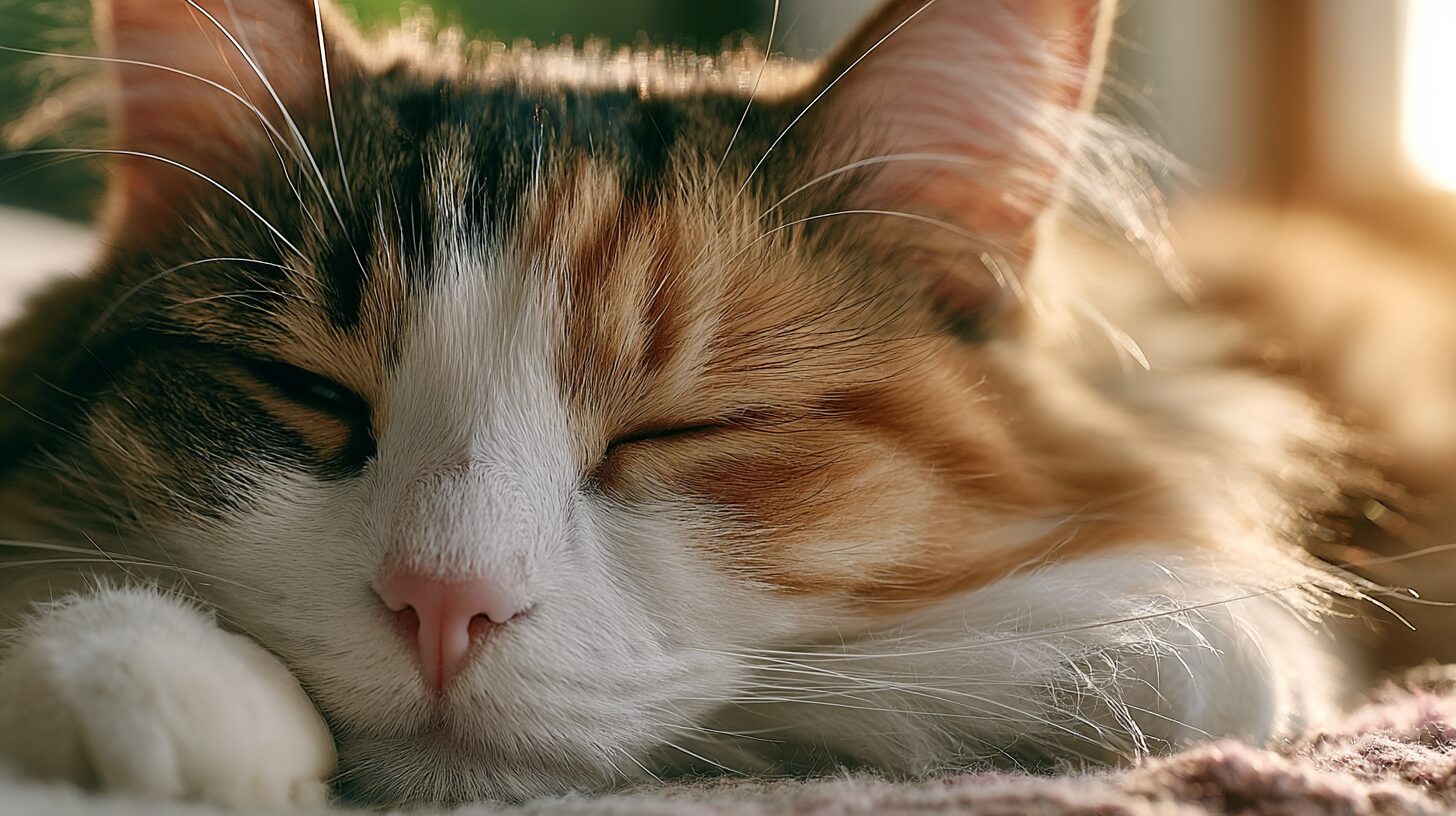
Quick answer: A healthy cat ear is pale pink inside, has very little visible wax, smells like nothing in particular, and never makes the cat scratch or shake her head. If you peer in and see a little fawn-colored wax near the opening, that’s normal — like ours, cat earwax is a barrier, not dirt. Touch shouldn’t hurt.
Run a check during your weekly grooming pass: lift the ear flap (pinna), look at the canal opening in good light, and take a quick sniff. Normal smells like warm cat. A sweet or yeasty smell, a sharp acidic smell, or anything that registers as “off” is a flag. The canal should be smooth and pink-to-flesh-toned. Redness, swelling that narrows the opening, or any visible discharge is not a clean-it-yourself situation — it’s a vet call.
Breeds prone to more wax accumulation include Sphynx (no fur to slow buildup), Devon and Cornish Rex, and Scottish Folds, whose folded cartilage can mask early infections. Long-haired breeds like Persians need a fur-trimming pass around the ear opening every 4–6 weeks; matted hair traps moisture and is a setup for yeast.
For the rest of the weekly check-up routine, see our cat dental care guide and our roundup of indoor cat enrichment — handling a cat regularly through play and grooming is the foundation that makes ear checks doable at all.
The Only Safe At-Home Cleaning Method
Quick answer: Fill the ear canal with a vet-approved cleaner, gently massage the base of the ear for 10–20 seconds, let your cat shake her head, and wipe the visible parts with a cotton ball — never a Q-tip. Total time per ear: about 30 seconds once your cat tolerates handling.
Step by step:
- Choose the right cleaner. Look for veterinary brands containing salicylic or lactic acid in a saline base, like Epi-Otic Advanced or Virbac Epi-Otic. A 4 oz bottle runs about $14–$20 and lasts most cats over a year. Avoid anything with alcohol, which stings, and never use vinegar, hydrogen peroxide, witch hazel, or rubbing alcohol — more on why below.
- Warm the bottle by holding it in your hand for a minute. Cold liquid in the ear is the fastest way to lose your cat’s cooperation forever.
- Hold the ear flap up with one hand, exposing the canal. Squeeze enough cleaner in to just fill the visible portion of the canal — usually 0.5–1 mL.
- Massage the base of the ear at the cartilage just below the opening. You’ll hear a soft squelch. That’s the cleaner working through the L-shaped canal cats have.
- Let her shake. She’ll throw her head a few times and dislodge most of the loosened debris up to the visible part of the ear.
- Wipe the pinna and outer canal with a cotton ball or a square of gauze. Do not push anything into the canal itself.
Q-tips push debris and wax deeper, can puncture the eardrum, and account for a chunk of the impacted-debris cases vets see in cats. The phrase to remember: clean what you can see, not what you can’t. Healthy cats need this maybe two or three times a year — not weekly, not monthly.
What to Never Use (And Why)
Quick answer: No vinegar, no hydrogen peroxide, no rubbing alcohol, no essential oils, no human ear drops, no homemade saline. These either burn inflamed tissue, leave water behind to feed yeast, or contain ingredients that are actively toxic to cats — particularly tea tree, eucalyptus, and pennyroyal oils.
The home-remedy rumor mill loves cat ears. Here’s what’s actually wrong with each common one:
- White vinegar / apple cider vinegar: acidic, painful on inflamed skin, and the residual moisture is exactly what yeast (the most common cat ear infection) loves. It treats the ear like a salad dressing problem.
- Hydrogen peroxide: oxidizes ear tissue, can damage the eardrum, and the foaming is just bubbles — it isn’t doing meaningful cleaning. The ASPCA’s general cat-care guidance warns specifically against peroxide for cats.
- Rubbing alcohol: stings, dries out the canal, and triggers head-shaking violent enough to cause hematomas in the ear flap.
- Essential oils: tea tree (melaleuca), eucalyptus, pennyroyal, and wintergreen are all toxic to cats — even diluted, even applied topically.
- Human earwax-removal drops: formulated for human pH and ear anatomy, with cerumenolytic agents that can irritate cat skin.
If you’ve already tried one of the above and your cat is now scratching or shaking, stop, do not “rinse it out” with more product, and book a vet visit. Same-day exam is usually $75–$120; the canal needs to be examined with an otoscope before any further intervention.
Black Gunk: Mites, Yeast, or Something Else?
Quick answer: Coffee-ground-textured black-brown debris is classic ear-mite presentation; soft, dark, sweet-smelling discharge usually points to yeast (Malassezia); pus or blood means a bacterial infection. None of these get fixed with at-home cleaning alone — they all need a vet diagnosis and the matched medication.
The visual differences in real life:
- Ear mites (Otodectes cynotis): dry, crumbly, very dark debris that looks like coffee grounds. Often both ears. Most common in kittens, outdoor cats, and newly adopted cats. Highly contagious to other cats and dogs in the home.
- Yeast (Malassezia): waxy or moist dark-brown discharge with a faintly sweet, slightly bready smell. Often only one ear. More common in cats with allergies or in humid climates.
- Bacterial infection: yellow or green pus, a sour smell, and the ear is hot and painful. The cat will resist any handling.
- Polyps or tumors: in older cats, persistent unilateral discharge or a head tilt that doesn’t resolve with antibiotic ear drops should always prompt imaging.
The home shortcut of dabbing on a few drops of mineral oil “for mites” is a half-treatment at best — it suffocates some adult mites but doesn’t kill eggs, so the infestation rebounds in 7–10 days. Modern vet-prescribed treatments like selamectin (Revolution) or moxidectin (Advantage Multi for Cats) clear mites in a single dose and run $20–$35 per tube. If you’re already treating for fleas with one of these products, your cat is incidentally protected against ear mites too.
When to Stop and Call the Vet
Quick answer: Bleeding from the canal, head tilt, loss of balance, sudden hearing changes, severe pain on touch, swelling of the ear flap, or any of the above failing to improve within 48 hours of starting prescribed treatment are all reasons to stop home care and get an exam. Many of these can indicate a ruptured eardrum or middle-ear involvement.
A persistent head tilt in particular is never normal and never something to “wait and see” — it can be vestibular disease, middle-ear infection, or a polyp, and all three need imaging. An ear hematoma (the flap suddenly swells like a small balloon) almost always requires surgical drainage; trying to manage it at home means a permanently shriveled ear flap.
For cats with chronic ear issues that recur every few months, ask your vet about underlying allergy testing — environmental and food allergies are the most common driver of recurrent yeast otitis in cats, and treating only the ears means you’ll be back every season.
Frequently Asked Questions
How often should I clean my cat’s ears?
Healthy cats: only when you see visible wax buildup, usually two to three times a year. Cats prone to wax (Sphynx, Devon Rex) or with allergies may need monthly cleaning per their vet’s guidance. Daily or weekly cleaning of healthy ears strips natural barriers and increases infection risk.
My cat hates having her ears touched. Should I force it?
No. Pair handling with high-value treats (lickable Churu, freeze-dried chicken) over 1–2 weeks: touch the ear, treat; lift the flap, treat; touch the canal opening, treat. Most cats reach tolerable in a fortnight. If yours is flatly refusing, ask your vet to demonstrate at the next exam.
Can I use baby wipes on my cat’s ears?
Only on the outer ear flap, and only if they’re fragrance- and alcohol-free. Most baby wipes contain propylene glycol or scented additives that aren’t ideal for cats. A damp cotton ball with plain water is a safer default. Never insert any wipe into the canal.
Are ear mites contagious to humans?
Otodectes cynotis can briefly bite humans and cause itchy red spots, but the parasite can’t complete its life cycle on people, so the irritation resolves on its own. The mites are highly contagious to other cats, dogs, and ferrets in the home — treat all pets, not just the symptomatic one.
My cat keeps shaking her head after a clean. Is that normal?
One or two shakes immediately after cleaning is normal — that’s how she expels loosened debris. Persistent head shaking, scratching at the ear, or shaking 30+ minutes after cleaning suggests irritation, residual cleaner, or an underlying problem. If it lasts past the same day, call your vet.
What about over-the-counter ear-mite drops from the pet store?
OTC pyrethrin-based ear-mite drops can work but require multiple applications and don’t address eggs or off-host life stages. Single-dose vet-prescribed selamectin or moxidectin is more effective and treats fleas and intestinal parasites in the same application. The math usually favors the vet route.