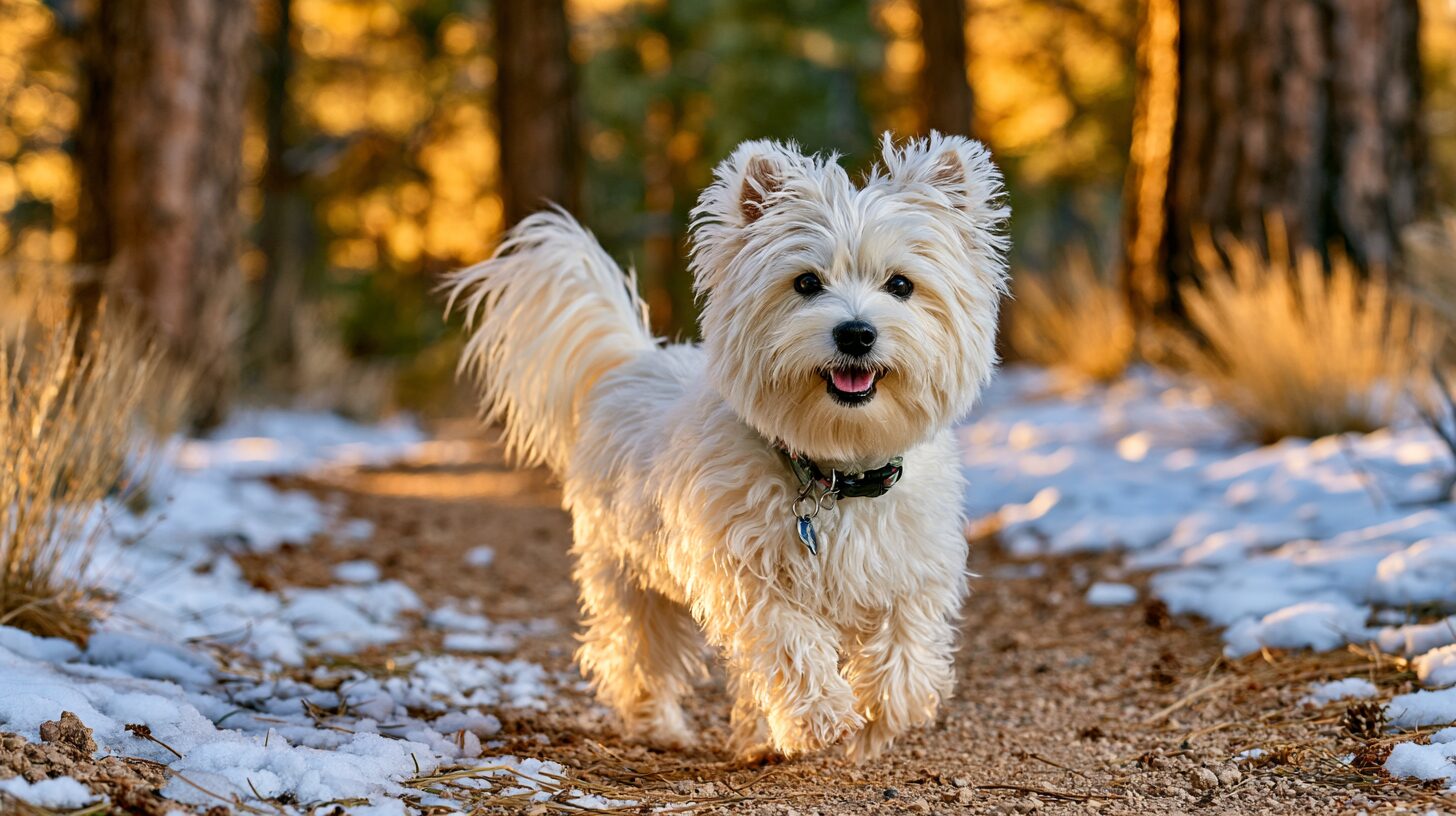
Winter changes everything about how a pet experiences the world. A 12-pound rescue Chihuahua who happily trotted around the block in October may shiver after two minutes on a 25°F sidewalk. A 95-pound Saint Bernard may want to nap in the snowbank. Antifreeze pooled under a parked car can kill a curious 40-pound Beagle in under 72 hours. Rock salt scattered on a porch can leave a Shih Tzu limping by mid-walk. The risks are not abstract, and most of them are preventable with a short checklist you run before each cold-weather walk and one or two changes you make to your home.
This guide walks through the five areas where vets and animal-welfare organizations see the most preventable winter problems: cold tolerance, antifreeze poisoning, paw protection, indoor air dryness, and emergency preparedness. Every recommendation here is sourced to a veterinary or animal-welfare authority — no vague “experts say.”
Cold Tolerance Varies by Breed, Age, and Coat
Quick answer: A pet’s safe outdoor time depends on coat density, body fat, body size, age, and underlying health. Northern double-coated breeds tolerate sub-freezing temperatures for hours; toy breeds, puppies under 8 weeks, and seniors with arthritis may need to come inside within 10 to 15 minutes once the thermometer drops below 32°F.
According to the American Veterinary Medical Association (AVMA), cold tolerance varies pet to pet based on coat, body fat, activity level, and overall health, and cold weather can worsen existing conditions such as arthritis. That last point matters more than most owners realize: a 12-year-old Labrador who handled last winter fine may struggle this year if joint disease has progressed.
The American Kennel Club (AKC) notes that breeds like Alaskan Malamutes, Siberian Huskies, Newfoundlands, Bernese Mountain Dogs, and Saint Bernards were specifically bred for cold climates — broad paws that distribute weight on snow and double coats that trap warm air. Even these breeds, however, can develop frostbite or hypothermia if left out too long. On the opposite end, breeds with short or single coats (Greyhounds, Boxers, Pointers, most toy breeds) lose body heat quickly and benefit from a properly fitted dog coat the moment temperatures drop below freezing.
Quick cold-tolerance reference
- Above 45°F: Most healthy adult dogs and cats are comfortable.
- 32°F to 45°F: Small breeds, thin-coated breeds, puppies, and seniors may need a sweater for walks.
- 20°F to 32°F: Limit walks to 15-30 minutes for non-Arctic breeds; watch for shivering or paw-lifting.
- Below 20°F: Even cold-tolerant breeds risk hypothermia and frostbite on extremities (ears, tail tips, paws). Keep outings short and supervised.
For young dogs especially, shorter cold-weather outings do not have to mean less activity — indoor games and structured play sessions cover the energy gap. See our age-by-age guide to exercising puppies safely for specific examples.
The Antifreeze Emergency: Why Minutes Matter
Quick answer: Ethylene glycol antifreeze tastes sweet and is lethal in tiny doses — only 3 to 4 teaspoons can kill an average dog and 1 to 2 teaspoons can kill a cat. Symptoms appear within hours, but the worst kidney damage develops 36 to 72 hours later. If you suspect ingestion, get to an emergency vet within 1 to 2 hours; waiting until your pet looks “really sick” usually means it is too late.
According to the Merck Veterinary Manual, the toxic metabolite of ethylene glycol is oxalic acid, which binds to calcium and forms calcium oxalate crystals in the kidney’s proximal tubules. The result is acute, irreversible kidney failure. Severe failure typically develops between 36 and 72 hours in dogs and as quickly as 12 to 24 hours in cats. Treatment requires fomepizole (4-methylpyrazole) or, in some cases, ethanol — both have to be started before the kidney damage cascades.
The ASPCA warns that early signs are easily missed: pets initially appear “drunk” (wobbling, stumbling, disoriented), drink and urinate excessively, and may vomit. By 6 to 12 hours after ingestion, the picture becomes markedly worse. If you find a fresh antifreeze spill in the garage, on the driveway, or in a puddle and your pet was anywhere near it, do not wait for symptoms. Call the ASPCA Animal Poison Control Center at (888) 426-4435 or your nearest emergency veterinary hospital and bring the antifreeze packaging with you so the team knows whether it contains ethylene glycol or the safer propylene glycol.
What to do in the first 60 minutes
- Note the time of suspected exposure and roughly how much was accessible.
- Do not induce vomiting unless a veterinarian directs you to.
- Drive to the emergency clinic; do not wait for symptoms to worsen.
- Bring the product container so staff can confirm the active ingredient.
Salt, De-Icers, and Winter Paw Care
Quick answer: Rock salt and chemical de-icers cause chemical burns on paw pads and gastrointestinal upset if licked off. Wipe paws with a warm damp cloth after every walk, use a paw balm or properly sized booties on salted routes, and look at the ingredient list before you pour ice melt on your own porch — some are pet-safer than others.
According to the ASPCA, sodium-chloride-based ice melts are the most common cause of winter chemical burns and stomach upset, and even “pet-safe” products are only safer in moderation. The AVMA’s cold-weather guidance is direct: during walks, your dog’s feet, legs, and belly may pick up de-icing chemicals, antifreeze residue, and other toxins, so wipe down or wash those areas as soon as you come back inside.
The 60-second post-walk routine
Keep an old microfiber towel and a small basin of warm water by your door. As you come in: 1) check between every toe for ice balls or salt crystals, 2) wipe each paw with the warm cloth, 3) dry thoroughly, and 4) apply a thin layer of paw balm if pads look dry or cracked. This takes under a minute and prevents most winter paw injuries.
Booties vs. balm: which works for which dog?
Properly sized booties (snug but not constricting, with a non-slip sole) are the strongest barrier against salt and ice abrasion, but many dogs need a week or two of indoor practice before they walk normally in them. Balms like petroleum-jelly-based or beeswax-based products work for dogs who refuse booties; they need to be reapplied before every walk and wiped off after. For more on cross-season paw care, see our guide on protecting paws from hot pavement — the principle (a barrier between paw and surface) is the same.
Indoor Air, Humidity, and Skin Health in Heated Homes
Quick answer: Forced-air heating drops indoor humidity to around 10-20% in winter, which dries out a pet’s skin, dulls the coat, and worsens conditions like atopic dermatitis. A simple humidifier set to 40-50% relative humidity, plus omega-3 supplementation, prevents most winter dry-skin flare-ups.
According to the American Kennel Club, indoor heating systems can leave the air too warm and dry for many dogs, especially short-nosed (brachycephalic) breeds and senior pets. The fix is rarely more heat — it is usually more moisture. A bedroom humidifier near the dog bed (kept clean to prevent mold) restores humidity to the 40-50% range vets generally consider comfortable for both pets and people.
Diet matters too. Cold months are when many owners notice flaky skin, dandruff, and a brittle coat. A high-quality omega-3 supplement (EPA and DHA from fish oil) supports the skin barrier from the inside; for specific product picks tested in winter conditions, see our roundup of the best fish oils for dogs’ skin. If a senior dog has lost most of their teeth and chewing crunchy food has become difficult, our guide to soft food for toothless seniors covers options that stay hydrating in dry winter homes.
Signs your indoor air is too dry
- Visible dandruff on dark fur, especially along the spine.
- Increased scratching with no flea evidence and no seasonal-allergy history.
- Cracked or peeling paw pads even on days you did not walk outside.
- A dull, brittle coat that sheds in larger clumps than usual.
Building a Winter Emergency Kit for Your Pet
Quick answer: A winter pet emergency kit covers a five-day power outage or storm: 5 days of food and water (1 oz per pound of body weight per day), medications, a warm blanket, paw balm, copies of vaccination records, vet and poison-control phone numbers, a sturdy carrier or crate, and a battery-powered light. Keep it in one labeled bin near your human emergency kit.
The AVMA’s cold-weather guidance recommends preparing a disaster kit with at least 5 days of food, water, and medication for every pet in the household, because winter storms commonly cause power outages, road closures, and forced evacuations. The ASPCA’s cold-weather safety tips add several often-forgotten items: a recent photo of each pet (in case of separation), a tag and microchip update, and a non-spill water bowl.
Winter pet emergency kit checklist
- Food and water: 5-day supply in waterproof bags; rotate every 6 months.
- Medication: 7-day reserve of any prescription drug, in original container.
- Warmth: Fleece blanket or self-warming pet pad; spare sweater for short-coated dogs.
- Paw care: Balm, booties, and a microfiber towel.
- Documents: Vaccination records, microchip number, recent photo, and your vet’s after-hours number.
- Poison control: ASPCA APCC (888) 426-4435 written on the bin lid.
- Carrier: Sturdy, properly sized, with familiar bedding inside.
- Light: Battery or hand-crank flashlight, plus a clip-on collar light for snowstorm walks.
Frequently Asked Questions
How cold is too cold for a dog to be outside?
It depends on the dog. The AVMA notes there is no single safe-temperature threshold because coat, body fat, age, and health all matter. As a working rule, most healthy adult medium-to-large breeds are comfortable above 45°F, may need a coat between 32°F and 45°F, and should have walks limited to 15-30 minutes once the thermometer drops below 20°F. Toy breeds, puppies, and seniors need shorter outings at every temperature point.
What are the first signs of antifreeze poisoning in a dog or cat?
Within 30 minutes to a few hours of ingestion, pets often appear uncoordinated or “drunk,” may vomit, and drink and urinate more than usual. The Merck Veterinary Manual and ASPCA both stress that pets can briefly seem to recover at around the 12-hour mark before kidney failure sets in 36 to 72 hours later in dogs and as fast as 12 to 24 hours in cats. Treat any suspected exposure as an emergency, even if your pet looks fine.
Are pet-safe ice melts actually safe?
Safer, not safe. Most pet-safe products replace sodium chloride with magnesium chloride, calcium magnesium acetate, or urea-based blends, which are less likely to burn paw pads or cause severe vomiting if licked. They can still cause GI upset in larger doses, so wipe paws after walks regardless of which product you (or your neighbor) used.
Do indoor cats need any winter precautions?
Yes. Indoor cats are not exposed to road salt, but dry forced-air heat irritates their skin and respiratory tract just like a dog’s, and a curious cat can lick antifreeze drips off a garage floor or car undercarriage with the same lethal result. Run a humidifier, keep antifreeze locked up, and check under the hood of any car parked in a garage before starting it — cats often shelter in warm engine bays.