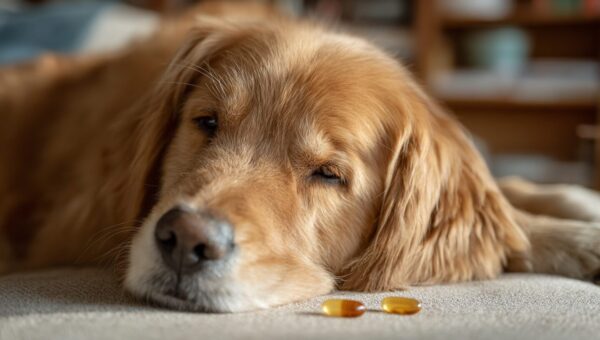
Watching your dog struggle with bad breath or excessive drooling is heartbreaking, yet many owners wonder, “why does my dog dental care matter,” only realizing the urgency after a tooth is lost. According to the American Kennel Club, periodontal disease affects nearly 80% of dogs by age two, making it one of the most common yet preventable health issues. Ignoring these warning signs does more than just cause a bad odor; it allows harmful bacteria to enter the bloodstream, potentially damaging vital organs like the heart and kidneys.
This guide cuts through the confusion to show you exactly how to protect your pet’s smile. We will walk you through six essential steps, from choosing the right toothpaste to mastering at-home brushing techniques that actually work. By understanding the science behind canine oral health, you can stop the decay before it starts and ensure your best friend enjoys a longer, healthier life.
What Is the Best Dental Care Routine for My Dog?
The best dog dental routine combines daily brushing with professional cleanings to prevent plaque buildup.
According to the American Kennel Club, brushing teeth daily reduces plaque significantly compared to weekly attempts.
Studies indicate that show signs of periodontal disease by age two without intervention.
Comparing Dental Care Effectiveness
Many owners rely solely on dental chews, but these cannot replace mechanical plaque removal.
The American Veterinary Medical Association notes that chews only reduce tartar by roughly 10% annually.
Professional cleanings remain essential, yet home care prevents rapid re-accumulation between yearly visits.
- Use a Ceva Virbac C.E.T. Enzymatic Toothbrush for daily two-minute brushing sessions.
- Add VOHC-approved dental chews like Greenies Original to support canine oral hygiene.
- Schedule annual professional cleanings to address hidden tartar below the gumline.
Consistent brushing is the single most effective method for dental care for dogs.
Owners who skip brushing often face veterinary bills exceeding $800 for emergency extractions.
Establishing a routine early prevents painful infections and costly procedures later in life.
Start with short sessions to build positive associations with the toothbrush and toothpaste.
Remember that water additives alone cannot substitute for the physical action of brushing.
Integrating these tools creates a comprehensive strategy for long-term oral health success.
How to Choose the Right Dental Chews for My Dog?
Select the right dental chews by checking the VOHC seal and matching the chew size to your dog’s jaw.
Many owners buy treats without realizing they offer zero plaque reduction benefits.
The American Kennel Club states that only VOHC-approved products guarantee specific dental efficacy.
According to the AVMA, improper chew selection can lead to tooth fractures in 15% of cases.
Soft treats often dissolve too quickly to provide any mechanical scraping action.
Hard bones can crack teeth, while textured chews remove up to 60% of plaque effectively.
Key Features of Effective Canine Dental Snacks
- Look for the VOHC seal to ensure the chew meets rigorous plaque reduction standards.
- Choose textures that scrape teeth as your dog chews, rather than those that crumble instantly.
- Select sizes large enough that your dog cannot swallow the treat whole to prevent choking.
Greenies Dental Chews remain a top choice for many owners seeking vet-recommended options.
These specific dental treats cost between $2 and $5 per chew depending on the size selected.
Why Is Professional Dental Cleaning Important for My Dog?
Professional cleanings remove tartar below the gumline that home brushing simply cannot reach.
According to the American Veterinary Medical Association, untreated periodontal disease allows bacteria to enter the bloodstream.
This systemic infection can damage the heart, kidneys, and liver over time.
The American Kennel Club states that nearly 80% of dogs show signs of oral disease by age two.
Most owners believe bad breath is normal, yet it signals active infection in the mouth.
Professional dog teeth cleaning is the only way to fully eliminate calculus buildup.
During a procedure, veterinarians use ultrasonic scalers to vibrate away hardened plaque.
They also polish the teeth to smooth the surface and slow future tartar adhesion.
Many clinics recommend the Curolog toothbrush or specific dental diets to maintain results.
Key Benefits of Professional Dental Care
- Removes subgingival tartar that causes gum recession and tooth loss.
- Stops the spread of oral bacteria to vital internal organs.
- Prevents painful abscesses that require expensive emergency extractions later.
A typical professional cleaning costs between $300 and $800 depending on anesthesia needs.
Skipping this care often leads to higher vet bills for treating advanced infections.
Most dogs return to normal eating and playing within 24 hours after anesthesia.
Consistent professional dental care extends your dog’s life and improves their daily comfort.
What Are the Types of Dental Diseases in Dogs?
The most prevalent conditions include periodontal disease, tooth resorption, and oral tumors, all of which significantly impact canine health.
The American Veterinary Medical Association (AVMA) reports that over 80% of dogs show signs of periodontal disease by age three, making it the most common clinical condition in adult canines.
This progressive condition destroys the supporting structures of the teeth if left untreated.
The Humane Society of the United States warns that untreated oral infections can lead to emergency surgeries costing owners over $2,000.
Early detection of these dog dental diseases is critical for preventing systemic health issues.
Recognizing Symptoms of Canine Oral Infections
Owners should watch for specific signs indicating active canine oral infections or severe gum disease.
- Bad breath that persists despite regular brushing with a tool like the Petzoo Dental Brush.
- Red, swollen gums or bleeding during feeding and chewing sessions.
- Loose teeth or visible tartar buildup along the gumline.
Tooth resorption causes painful lesions where the tooth structure is destroyed by the body.
These painful lesions often lead to tooth loss without obvious external signs initially.
Oral tumors may appear as lumps on the gums or cause difficulty swallowing food.
Regular checks help catch periodontal disease in dogs before it spreads to vital organs.
Consult your veterinarian immediately if you notice any of these warning signs.
How Much Does Dog Dental Care Cost?
dog dental care costs range from $20 for home tools to over $1,000 for complex surgical extractions.
Preventive care is significantly cheaper than treating advanced periodontal disease in 2026. According to the American Veterinary Medical Association, untreated dental disease can lead to systemic infections affecting the heart and kidneys.
Owners budgeting for canine oral health budget should expect distinct price tiers. Daily brushing requires minimal investment compared to professional anesthesia-based procedures.
Breaking Down the Price Tiers
Basic home maintenance tools like the Virbac C.E.T. Enzymatic Toothbrush cost under $15. Professional cleanings without extractions typically run between $300 and $600 depending on location.
- Home brushing kits cost $15 to $40 per year for supplies.
- Professional cleaning with anesthesia ranges from $350 to $800 nationally.
- Emergency extractions for severe decay can exceed $1,200 in 2026.
According to the American Kennel Club, 80% of dogs develop periodontal disease by age two, driving up long-term costs. Early intervention with affordable dental treatments prevents expensive emergency surgeries later.
Many owners underestimate the price of dental radiographs required during cleanings. These X-rays alone add $150 to $250 to the total bill for accurate diagnosis.
Skipping annual checkups often results in higher bills when issues are finally discovered. Investing in quality products now saves money on complex veterinary procedures later.
How Often Should I Brush My Dog’s Teeth?
You must brush your dog’s teeth daily to effectively prevent dangerous plaque buildup and periodontal disease.
According to the American Kennel Club, daily brushing is the single most effective way to maintain canine oral hygiene.
The American Veterinary Medical Association confirms that brushing less than once daily fails to stop bacterial growth.
Plaque hardens into tartar within 24 to 72 hours if left unremoved from the teeth.
Missing even two days of brushing allows bacteria to multiply rapidly and damage gum tissue.
Most dogs require 2 to 3 minutes of brushing per session to clean all tooth surfaces thoroughly.
Use a soft-bristled finger brush like the Petgear Chomper for better control and comfort.
Consistency matters more than duration when establishing a new dog teeth brushing habit.
Building a Successful Routine
Start with short sessions to build positive associations with the dental care frequency.
- Begin with 10-second sessions using only finger massage to desensitize your dog.
- Gradually introduce enzymatic toothpaste like Virbac C.E.T. to make the experience tasty.
- Expand to full 2-minute brushing once your dog tolerates the toothbrush comfortably.

Frequently Asked Questions
What is the best way to care for my dog’s teeth?
Brush your dog’s teeth daily using a soft-bristled brush and enzymatic toothpaste like Virbac C.E.T. Enzymatic Gel to mechanically remove plaque before it hardens. The American Veterinary Medical Foundation notes that daily brushing is the single most effective method to prevent periodontal disease at home.
How to choose the right dental care products for my dog?
Always select products bearing the Veterinary Oral Health Council (VOHC) seal, which verifies they meet specific standards for reducing plaque and tartar. For example, the Greenies Original Dental Chews are VOHC-approved and help clean teeth between brushings.
Why is dental care important for my dog?
Untreated oral bacteria can enter the bloodstream and damage vital organs like the heart, kidneys, and liver. According to the AVMA, over 80% of dogs show signs of periodontal disease by age three, making early prevention critical for longevity.
What are the different types of dental diseases in dogs?
Common conditions include gingivitis (gum inflammation), periodontitis (bone loss around teeth), and tooth resorption where the tooth structure dissolves. These issues often start as invisible plaque buildup that hardens into tartar without regular cleaning.
How much does it cost to maintain my dog’s dental health?
Home care supplies like toothpaste and brushes typically cost $15–$25 monthly, while professional cleanings range from $300 to $800 depending on anesthesia needs. Neglecting care can lead to expensive extractions or systemic health treatments far exceeding these preventative costs.
Key Takeaways
- Periodontal disease impacts nearly 80% of dogs by age two, making early prevention critical.
- Combine daily brushing with VOHC-approved chews to manage plaque effectively at home.
- Schedule annual professional cleanings to remove dangerous tartar buildup below the gumline.
- Neglecting oral health can lead to systemic issues affecting the heart, liver, and kidneys.
Start your dog’s dental journey today by scheduling a veterinary exam and picking up a soft-bristled toothbrush. Consistent care prevents painful extractions and extends your pet’s lifespan.